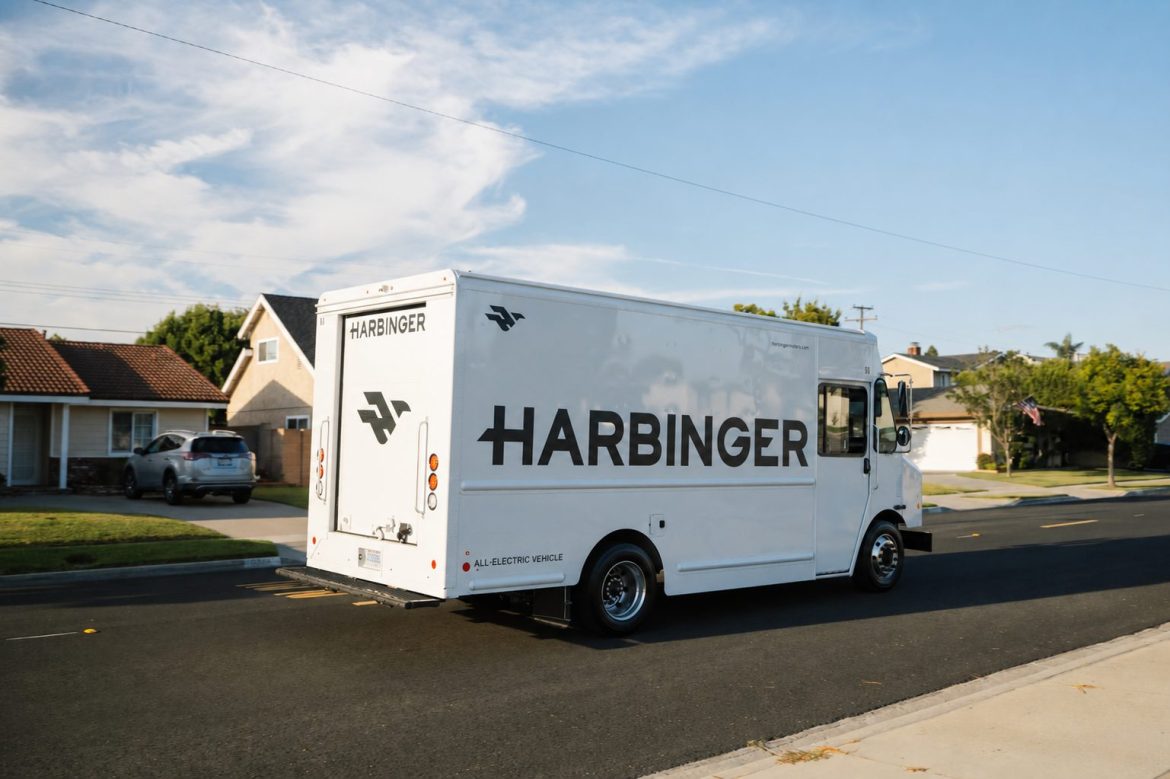
Data drives every successful EV transition.
Understanding duty cycles, payloads, and daily mileage helps right-size your vehicles and infrastructure, ensuring EVs fit seamlessly into operations without overbuilding or overspending.
Modern EV technology eases former anxieties.
With modular battery systems, hybrid options for extended range, and predictable charging strategies, range anxiety is a thing of the past.
Smart financing turns upfront investment into fast ROI.
State and local incentives, leasing models, and infrastructure partnerships can reduce acquisition costs by tens of thousands per vehicle, helping fleets reach cost parity with diesel sooner.
A phased rollout keeps operations steady while scaling electrification.
Piloting with a small percentage of vehicles before expanding allows fleets to refine routes, charging, and maintenance strategies without disrupting uptime.
Strategic planning drives uptime and scalability.
From data-backed site mapping to early utility coordination, proactive infrastructure planning keeps your electrified fleet scalable.
While ICE vehicles were the standard (and only) option for commercial fleets for years, the math just doesn’t make sense for most modern operations: Keeping ICE fleets on the move is getting more expensive and less sustainable.
Transitioning to electric vehicle fleets is the answer, but can EVs provide the reliability your customers depend on? And how can you make the shift to EVs without massively disrupting your daily operations?
Instead of scaling all at once, take a phased approach to keep your operations running smoothly during the transition.
For a successful EV transition, you’ll need to make sure your organization is prepared for electrification. Here’s what to know before starting your EV fleet transition, and how to develop a phased rollout for a smooth and effective changeover.
Assess fleet readiness and operational needs
By now, most fleets are more ready for electrification than they realize. Routes are predictable, charging technology is proven, and there are significant total cost of ownership advantages. That said, there are a few critical areas to consider when assessing your fleet before planning your EV transition:
- Fleet type: What comprises your existing fleet? Vans? Step vans? Box trucks? This will help determine what applications will make up your fleet.
- Total charging infrastructure needed: Don’t just think about where to install chargers. Think about how many you may need, your site capacity and layout, and utility coordination.
- Long-term financial viability: With lower energy and maintenance costs, fewer service interruptions, and longer lifespans, EVs deliver long-term savings that diesel simply can’t match. Harbinger’s electric vehicles are approaching price parity with diesel models, and thanks to the significantly lower energy and service costs, you’re getting a lower total cost of ownership (TCO) right from the start.
Evaluate current fleet utilization
Before making the shift to electrification, it’s important to understand your fleet’s current utilization and performance. The best way to do this is by collecting real-world data on daily mileage, idle time, and seasonal fluctuations (if any). You may find valuable data in your:
- Fuel purchase records
- Driver logs
- Telematics systems
You’ll likely find that many routes already fit comfortably within today’s EV range capabilities, and that electrification could immediately lower costs on your most predictable runs.
For example, let’s say you have a truck that travels 150 miles each day on the same delivery route and comes back to the depot at night. This route would be a strong candidate for electrification because it has a predictable pattern, predictable operating costs, and could easily charge overnight during scheduled downtime.
Estimate payload and range requirements
Every pound of weight impacts how your current fleet operates. For your EV transition to be as seamless as possible, you need an accurate understanding of your current fleet’s average travel distance and transport weight to give you an idea of how many batteries will work best.
To estimate your payload and range requirements:
- Track the average and maximum payloads for each vehicle in your fleet.
- Note how payloads or routes might change seasonally.
- Calculate each vehicle’s daily range.
- Factor in potential future growth.
While accurate estimates are key for determining your battery needs, Harbinger’s modular battery system simplifies the transition. Each 35 kWh pack adds roughly 35 miles of range, supporting 140–210 kWh total capacity (about 140–210 miles). For longer routes, Harbinger’s plug-in hybrid chassis extends range up to 500 miles by recharging on the go.
Common EV fleet transition concerns and how to overcome them
Every major fleet transition comes with questions about range, charging, cost-effectiveness, and long-term dependability. While these concerns are valid, today’s EV technology and infrastructure have already surpassed them. What once slowed adoption now makes electrification smarter, more predictable, and more profitable than diesel.
Here are the most common barriers and how to turn them into opportunities.
Addressing range anxiety and charging constraints
Range and charging used to be the biggest points of anxiety in fleet electrification. But modern EVs already deliver the range most fleets need, and when paired with the right EV charging strategy, they outperform combustion vehicles in predictability and uptime.
Place chargers at your fleet depot so your EVs can charge overnight. This is when energy costs are lowest and schedules are most predictable. To maximize route efficiency and ensure vehicles return to the depot within their charging window, use route optimization software.
Harbinger tackles range anxiety directly with a flexible and practical approach. Fleet managers can easily rightsize the number of battery packs needed for a specific route to ensure they get the exact range they need without paying for unnecessary weight or capacity.
For fleets with longer, less predictable routes, Harbinger's plug-in hybrid chassis combines the benefits of electric power with a gasoline-powered range extender, offering a combined range of up to 500 miles.
Managing upfront costs and finance options
While upfront EV costs can be higher than diesel, the savings on fuel, maintenance, and downtime quickly turn that investment into measurable ROI. A growing range of available incentives and financing options also make electrification more accessible than ever:
- Incentives: Depending on which state your fleet operates in and its vehicle classes, you may be eligible for anywhere from $30,000–150,000 in incentives — which you can even stack or combine for greater ROI.
For example, California fleets may be eligible for the Clean Truck and Bus Voucher Incentive Project (HVIP), while those in New Jersey might qualify for the New Jersey Zero-Emission Incentive Program (NJ ZIP). You can even stack multiple incentives! If you’re unsure what incentives you qualify for, Harbinger can help you find programs that are a good fit for you.
- Leasing models: You don’t have to purchase your EV fleet vehicles outright. Leasing can help ease upfront financial pressure, and many OEMs and financial institutions now offer EV-specific terms that match fleet cash flow cycles.
- Partnerships: Collaborating with utilities, EV charging providers, or OEMs can reduce infrastructure expenses through shared investment, bundled solutions, or rate incentives.
Ensuring long-term reliability and maintenance
One of the biggest misconceptions about EVs is that their batteries degrade quickly and require frequent, expensive replacement. Modern EV battery systems are engineered for long service life and consistent performance throughout the vehicle’s lifecycle. Harbinger reinforces that confidence with a 10-year battery warranty, ensuring fleets have reliable power and predictable performance for years of operation.
EVs also eliminate many of the wear points that drive up maintenance costs and lead to downtime. Instead of managing complex engines with thousands of wear-prone components, operators maintain simpler and stronger drivetrains with predictable service schedules.
With Harbinger’s electric chassis, there’s no oil to change, no exhaust system to service, and far less brake wear thanks to regenerative braking that recycles energy on every stop. Harbinger’s electric vehicles can even receive software updates remotely, keeping them up to date and performing optimally without spending time in the shop. And with 450,000 miles and 20 years of reliability, you’re set for wherever you need to go.
Develop a phased transition strategy
A phased implementation reduces risk by allowing you to learn from early deployment iterations. Your fleets will maintain operational continuity throughout the entire transition. And in time, you’ll have a 100% electric fleet.
#1. Pilot with electric fleet vehicles
Rather than replacing your entire fleet at once, start with 10% of your vehicles, focusing on predictable, frequent routes. These consistent routes will give you easily measurable performance data and help you build confidence with fast proof of cost savings.
#2. Scale your fleet electrification plan gradually
Gradually scaling up gives you the opportunity to address concerns around charging networks and range performance on a smaller scale, which is less risky in terms of TCO. You might consider following a multi-year conversion path:
- Years 1–2: Pilot phase with 10% EVs.
- Years 3–5: Scale to 30–40% EVs.
- Years 6–8: Expand to 60–80% EVs.
- Years 9–10: Complete electrification.
This model follows the approach large companies like UPS have taken with their fleets, helping them quickly adopt electric vehicles while making sure their business operations aren’t disrupted.
#3. Measure progress and adjust the transition path
Tracking performance helps validate early wins and scale your EV program strategically and confidently. The key is focusing on metrics that connect directly to your business goals. While this will vary depending on your business model, start with the following KPIs:
- Cost per mile: CPM (total expenses divided by total number of miles driven) helps you contrast EV savings with diesel vehicle costs.
- Uptime: Uptime, or the percentage of time a vehicle is operational, is extremely important for business operations. EVs don’t need as much time for repairs, but they require time for charging.
- Emissions reductions: Emissions reductions refers to the amount of greenhouse gas emissions you’ve cut by switching to an electric fleet.
- Driver feedback: As your ‘boots on the ground,’ it’s important to hear from your fleet operators about their thoughts on vehicle performance, as well as flags they may raise.
Infrastructure planning and charging solutions
Your charging infrastructure is the backbone of a successful fleet electrification. Getting it right prevents expensive downtime and positions your fleet to grow, but poor planning can hinder your transition before it starts.
The solution is smart, data-driven planning from the beginning. Here’s how:
Map charging sites
As you begin to map charging sites, think about where your vehicles spend time. Overnight depot charging stations are an obvious solution, but it’s likely not the only location where an EV fleet vehicle could plug in for a charge.
Analyze route data to see if there are any other locations where your vehicles stop long enough for a charging station to make sense. For example, if you have multiple warehouses and your fleet vehicles pause at any of them long enough for those stops to be a good charging opportunity, they may be potential charging sites.
Once you’ve identified potential charging sites, evaluate each site for:
- Electrical capacity: Confirm available power and space for expansion.
- Physical layout: Ensure safe vehicle flow and efficient charger placement.
- Scalability: Design for fleet growth. Don’t build for today and outgrow it tomorrow.
Data-driven site planning minimizes risk. Basing charger placement on real usage and idle patterns ensures vehicles charge where and when it makes operational sense without disrupting routes.
Select charging equipment
When you choose EV chargers, consider what type of charging equipment is best for the needs of your fleet:
- Level 2 chargers are affordable and suitable for overnight, no-rush charging.
- DC fast chargers are faster and good for high-mileage vehicles with tighter schedules.
EVs can charge overnight or between routes using Level 2 and DC fast charging (CCS1). Harbinger vehicles offer additional flexible options including modular battery packs and a hybrid chassis for extended range (up to 500 miles), which both help electrify fleets without overpaying up front.
Coordinate with utilities
Stay on schedule by contacting your utility provider as soon as you start planning your infrastructure in case your depot needs electrical upgrades. Ask to schedule a site assessment to evaluate the depot’s current electrical capacity and discuss whether upgrades are needed.
Running a load study is another helpful step to identify necessary upgrades. Finally, make sure the timeline of your charging installation is on track with your fleet transition.
Driving forward with a strategic EV fleet transition
Electrifying your fleet requires some upfront planning, but the long-term ROI is significant — and with the right EV fleet partner, the change is simple. With Harbinger, the transition can be seamless and efficient.
Harbinger’s purpose-built electric chassis delivers the durability and payload capacity fleets depend on, while modular battery systems and a hybrid option give you the flexibility to match range to your routes. With Uptime-Focused Diagnostics, you’ll spot and solve issues before they affect service.

We detected a Global Privacy Control signal from your browser and have opted you out of the sale or sharing of your personal information.